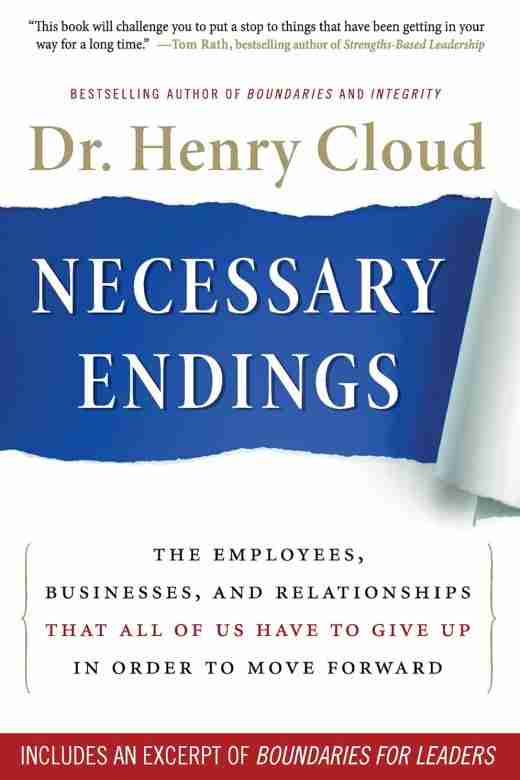
I am currently reading the book Necessary Endings by Dr. Henry Cloud. His reference to Learned Helplessness intrigued me, so I researched overcoming learned helplessness. Here are my musings.
In a world where uncertainty and rapid change have become the norm, many individuals grapple with powerlessness and helplessness. Dr. Henry Cloud, a renowned clinical psychologist and leadership expert, offers hope for those struggling to regain control. Drawing from his extensive experience and research, he challenges us to confront the concept of learned helplessness head-on, providing practical strategies to overcome this debilitating mindset. His insights remind us that even in the most challenging circumstances, we have the power to take action, make choices, and influence our outcomes. By exploring Dr. Cloud’s perspective, we can unlock new ways of thinking and acting that empower us to navigate life’s complexities with greater resilience and purpose.
“Learned helplessness is not just a state of mind; it’s a barrier that prevents us from realizing our potential and taking control of our destiny.” – Lisa Olinda
Martin Seligman discovered learned helplessness in the 1960s. This phenomenon has profound implications for small business owners and non-profit executives. This concept explains how individuals can become passive and unmotivated when faced with repeated failures or uncontrollable situations, leading to a belief that their actions have no impact on outcomes.
“I want to help you take control of what you can control and come to terms with what you can’t.” – Dr. Henry Cloud
This summarizes Dr. Cloud’s approach to overcoming learned helplessness, highlighting the empowerment that comes from focusing on personal agency and the aspects of life that individuals can influence, even in challenging circumstances.
Let’s delve into three thought-provoking concepts, two inspiring ideas, and one actionable step to help us break free from the chain of learned helplessness and reclaim our sense of agency.
Three Thoughts to Provoke You
1. The Power of Control: Consider areas where you feel powerless. Are these beyond your influence, or have you accepted a state of helplessness? Challenge yourself to identify at least one small aspect you can control in each situation.
2. The Impact of Structure: Reflect on how losing normal life structures affects your sense of control. How can you create new structures or routines to regain a feeling of normalcy and agency in your daily life?
3. The Role of Choices: Consider the recent choices removed from your life. How has this limitation affected your motivation and sense of empowerment? Consider ways to create new choices for yourself, even in constrained circumstances.
“When we believe our efforts are futile, we surrender our power; overcoming learned helplessness is the first step toward reclaiming our agency.” – Lisa Olinda
Two Ideas to Inspire You
1. Micro-Steps to Sanity: Embrace taking small, manageable steps towards regaining control. Each micro-step, no matter how insignificant it may seem, is a powerful act of reclaiming your agency and combating feelings of helplessness, leading to a sense of accomplishment.
2. Redefining Control: Shift your focus from what you can’t control to what you can. By consciously directing your energy towards areas where you can make a difference, you can cultivate a sense of empowerment and resilience in the face of challenging circumstances.
“In the face of adversity, learned helplessness whispers that we are powerless, but resilience roars back, reminding us that every setback is a setup for a comeback.” – Lisa Olinda
One Item to Act-On
Create a Daily Control Inventory: Take a few minutes each day to list three things you can control in your current situation. These could be as simple as your breathing, your thoughts, or how you organize your workspace. By regularly acknowledging and exercising your ability to control aspects of your life, you actively combat learned helplessness and build a foundation for greater resilience and optimism.
Wrap Up
Dr. Henry Cloud’s approach to overcoming learned helplessness offers a powerful framework for reclaiming control. He encourages a shift from passive acceptance to active engagement with our circumstances. Dr. Cloud challenges us to recognize areas where we can exert influence. The emphasis on creating new structures and routines and making conscious choices provides a path to rebuilding our sense of agency. Dr. Cloud’s “micro-steps to sanity” concept reminds us that every small action toward regaining control is significant. By redefining our understanding of control and focusing on what we can influence, we open ourselves to new possibilities and resilience.
Identifying controllable aspects in our lives is a tangible way to combat learned helplessness and foster a more empowered mindset. Ultimately, Dr. Cloud’s insights offer a roadmap for transforming our relationship with adversity, enabling us to navigate life’s challenges more confidently and effectively.
Do you have limiting beliefs?
Based on the concept of learned helplessness and its impact on business owners, here are three common limiting beliefs:
- “No matter what strategies I try, my business will never succeed.” This belief reflects the core of learned helplessness. The idea is that your actions have no impact on outcomes. As a business owner, you might feel that despite your efforts, external factors will always prevent your success.
- “I’m not capable of overcoming the challenges in my industry.” This belief stems from attributing failures to internal, permanent causes. You must gain the skills or qualities necessary to navigate your industry’s difficulties. Seeing challenges as temporary or surmountable.
- “Economic downturns or market changes will always derail my business plans.” This belief represents the tendency to overgeneralize negative experiences. You might feel that external factors will always impact your business, making you feel powerless in the face of change.
To overcome these limiting beliefs, it’s important to:
- Recognize that change is possible and within your control
- Focus on specific, actionable steps you can take to improve your situation
- Seek support and mentorship from other successful business owners
- Celebrate small wins to build confidence in your abilities
- Expand your growth mindset and view challenges as opportunities
Remember, these beliefs are not facts but learned responses that can be changed with awareness and effort.
What’s Next?
Are you ready to transform chaos into clarity and achieve your organizational goals? Lisa Olinda is the Chief Chaos Whisperer of Olinda Services. Let her guide you through the complexities of non-profit and small business leadership. With over 30 years of experience, Lisa offers Operations and Productivity Coaching tailored to your unique challenges.
Is overwhelm keeping you from reaching that million-dollar milestone? Take the first step towards operational excellence and sustainable growth. Schedule a free discovery call with Lisa and unlock your leadership potential through personalized coaching. Reclaim your time, reignite your passion, and propel your organization forward.
Remember, you don’t have to navigate the chaos alone. Let Lisa be your partner in achieving operational excellence and sustainable growth. Your mission matters – make it thrive with Olinda Services!